10+
Consultants
50+
Rehab Experts
30000+
Happy Customers
Regain Independence
& Rebuild Confidence
with Our Expert-Led Stroke Recovery Programs in Bangalore
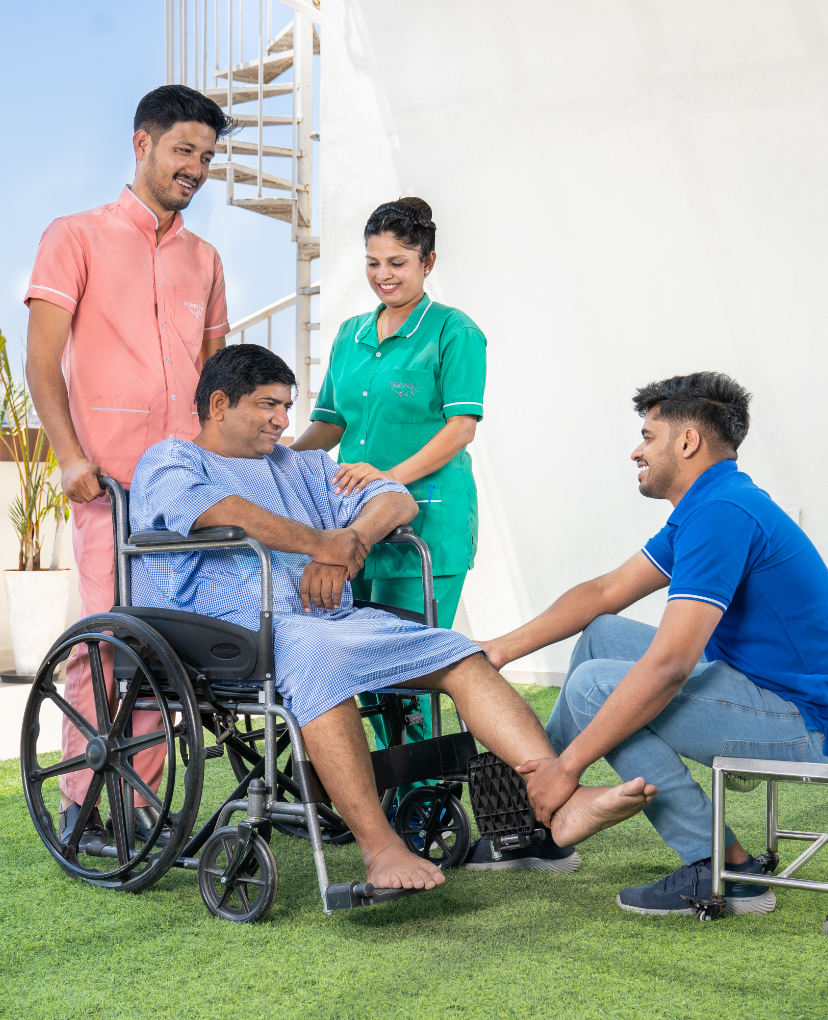
Stroke Recovery Center Bangalore

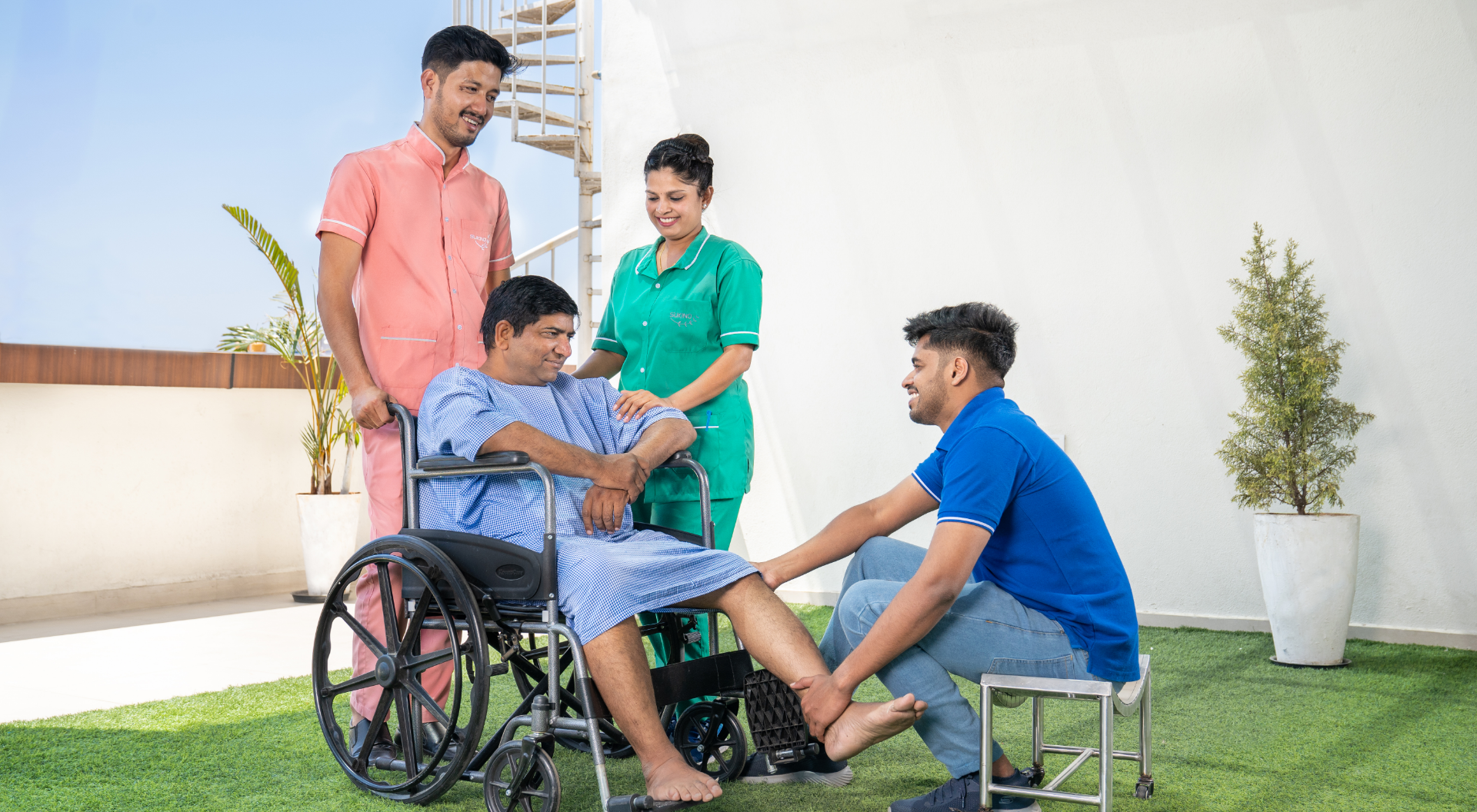
Reach out to us today, and let us help your family members reclaim hope, healing, and joy in every moment. We at Sukino provide world-class after-stroke treatment, ensuring the best care for the treatment of stroke, and promise an independent quality of life, at our center and as well as at your home.

Sukino’s Stroke Rehabilitation Center is committed to empowering stroke survivors to lead fulfilling lives by helping them build strength, enhance capabilities, and boost confidence. Our personalized care and evidence-based stroke rehab therapies at our rehabilitation hospital in Bangalore provide a nurturing environment where your loved ones can receive comprehensive support tailored to their unique health needs.
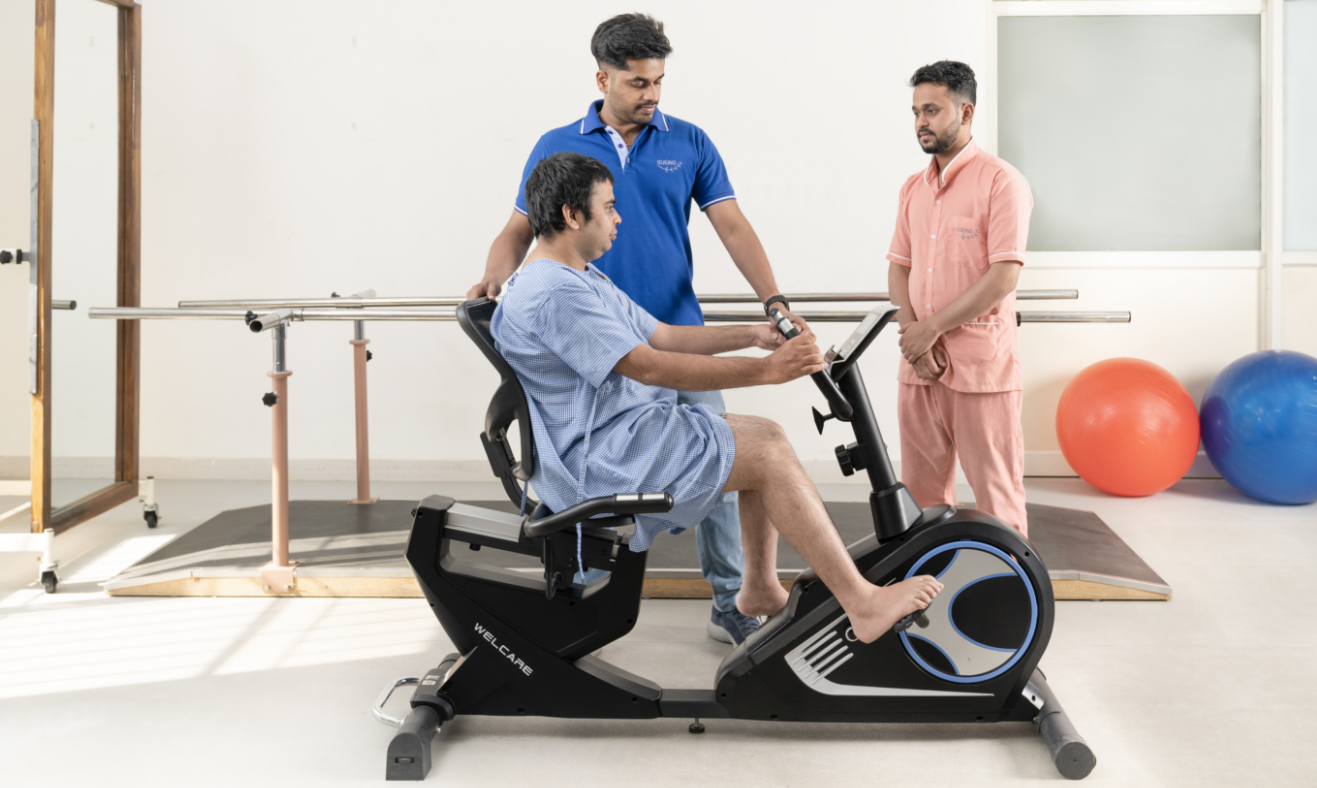
Key Components of Stroke Rehabilitation Program
  • Inital Assessment and Goal Setting
  • Physical Therapy
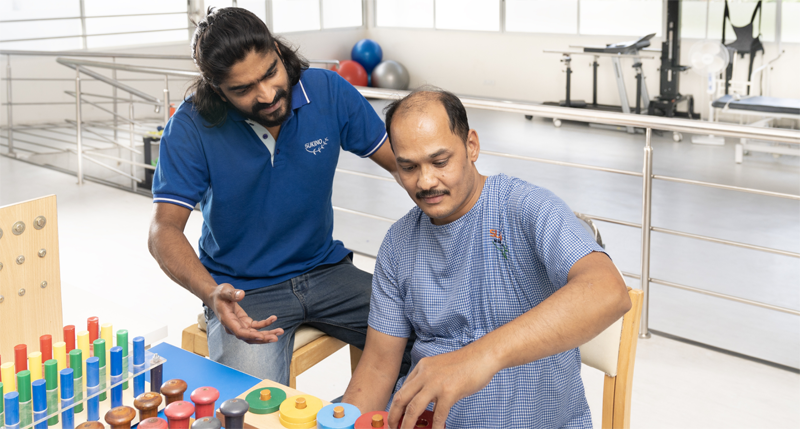
  • Occupational Therapy
  • Speech and Language Therapy
  • Psychological & Emotional Support
  • Education and Prevention
  • Community Reintegration
  • Cognitive Therapy
Talk to our experts now
100% free consultation
The Goal of Stroke Rehabilitation

Our aim is to enhance patient's function, independence, and overall quality of life. Our stroke rehabilitation program is comprehensive and evidence-based. We’ll collaborate with you to create a tailored treatment plan that targets your unique requirements and objectives

  • Improve mobility, strength
  • Better speech, communication
  • Regain daily independence
  • Enhance cognition, communication
  • Lower future stroke risk
  • Address emotional well-being
  • Develop reintegration strategies
Benefits of Our Stroke Rehabilitation Services
  • Physical Benefits: Better mobility, strength, and balance, Reduced muscle stiffness and spasticity, increased endurance
  • Cognitive Benefits: Improved memory, concentration, and problem-solving skills, faster information processing and better executive function
  • Emotional Benefits: Improved mood and self-esteem, reduced anxiety and depression, increased motivation and engagement, enhanced emotional well-being
  • Social Benefits: Better communication skills, more social participation, stronger relationships and support networks, greater sense of community and belonging

Sukino healthcare provides inclusive stroke rehabilitation to aid recovery from its physical, emotional, and cognitive impacts. Our diverse team of professionals like physical therapists, occupational therapists, speech therapists, and psychologists collaboratively work to restore function, limit disability, and avert future strokes.
  • Thorough Evaluation: Addresses all patient needs.
  • Personalized Programs: Designed for individual conditions/goals.
  • Advanced Tech: Uses evidence-based methods.
  • All-inclusive Care: Covers all rehab aspects.
  • Round-the-Clock Nursing: Ensures efficient recovery.
  • Multidisciplinary Team: Includes various therapists.
  • Broad Experience: In treating different paralysis types.
  • Professional Development: Keeps up with latest research.
  • Compassionate Care: Supportive environment/resources.
  • Comfortable Facilities: Homelike and accessible.
Ready to Begin Your Stroke Rehabilitation Journey?

Don't let a stroke define your life. Our stroke rehabilitation services can help you on your road to recovery. Contact us today to schedule a consultation with our team of specialized therapists and start your journey toward a stronger, more independent you.

Experience the difference of a truly personalized, expert-led stroke recovery program.

Clients Testimonials
Definitely a safe and very good treatment. Maintains good hygiene among rooms. Polite and respectful staff. Always there to provide any service. And the physiotherapy staff is just amazing. They are well trained well cared and utmost professional.
Case Study
FAQ

The success of stroke rehabilitation varies depending on several factors, including the severity of the stroke, the individual's commitment to therapy, and their overall health. However, with adequate therapy, many people make great progress. 

A multidisciplinary team of healthcare specialists, including physicians, physiotherapists, occupational therapists, speech therapists, psychologists, and nurses, is often involved in stroke rehabilitation.

The duration of stroke rehabilitation varies depending on individual factors such as the severity of the stroke, overall health, and progress made. It can last anywhere from a few weeks to several months or more.

Stroke therapy exercises are often intended to be both safe and comfortable. Some activities, however, may cause moderate discomfort or muscular soreness during the process.

Overage for stroke rehabilitation varies depending on the insurance plan. It's advisable to check with the insurance provider to determine the extent of coverage.

Stroke rehabilitation focuses on reducing stroke risk factors such as high blood pressure, high cholesterol, and diabetes. It can help lower the risk of future strokes by managing these risk factors. It can also include education on risk factors, lifestyle changes, and efforts to reduce the risk of future strokes.

To maximize the chance for recovery, stroke therapy should ideally begin as soon as the individual's medical state is stable, which is usually within days or weeks.

The effectiveness of stroke rehabilitation varies depending on individual factors, severity of the stroke, and adherence to the rehabilitation program. However, it has been shown to significantly improve functional outcomes and quality of life for many individuals.

While the goal of stroke rehabilitation is to optimize recovery, the level of functional restoration differs from person to person. Although rehabilitation can increase abilities greatly, total restoration may not always be attainable.

Medications may be prescribed as part of stroke rehabilitation to manage specific symptoms such as muscle spasticity or pain.

No, Stroke therapy is not just about physical recovery. It also targets cognitive and emotional issues, assisting clients in regaining cognitive function and coping with emotional difficulties.

The rate of improvement varies among individuals. Some people will experience substantial improvements in a matter of weeks, while others will take longer. Persistence and patience are required.